

How to carry out a biodiversity assessment: method, steps and budget
A biodiversity assessment follows five steps: (1) define the objective and the study area, (2) gather existing wildlife and habitat data, (3) carry out a preliminary site visit, (4) conduct field surveys in the right seasons, (5) rank the issues and turn them into recommendations.

How much does an ecological study cost? The factors that drive the quote
An ecological study generally costs €1,500 to €5,000 excl. VAT for a preliminary assessment, €4,000 to €12,000 excl. VAT for a simplified assessment and €15,000 to €50,000 excl. VAT or more for a full assessment over a biological cycle (“four-season” surveys).
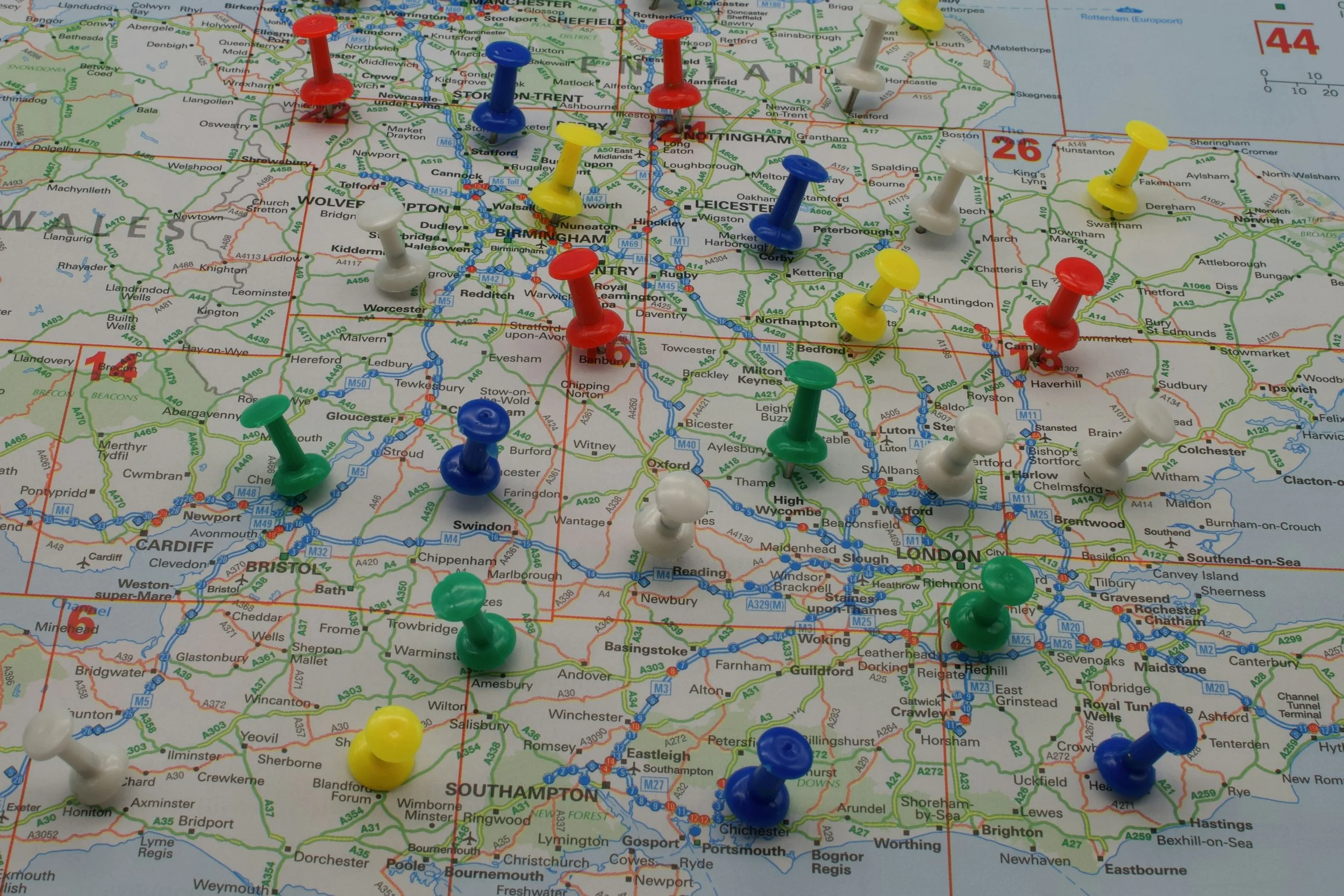
Where to find species and habitat data in France
In France, species and habitat data are centralised by the national biodiversity data system (SINP). The main entry points are the INPN (designated sites, species factsheets, reference lists), OpenObs (national species records), regional SINP platforms and the national botanical conservatories for plants.

How to choose an ecological consultancy for your project
To choose an ecological consultancy, start with a specification that sets out the objective, study area, deadline and expected deliverables. Then compare bids on five criteria: ecological expertise for the groups concerned, comparable references, proposed field effort, quality of deliverables and timetable.
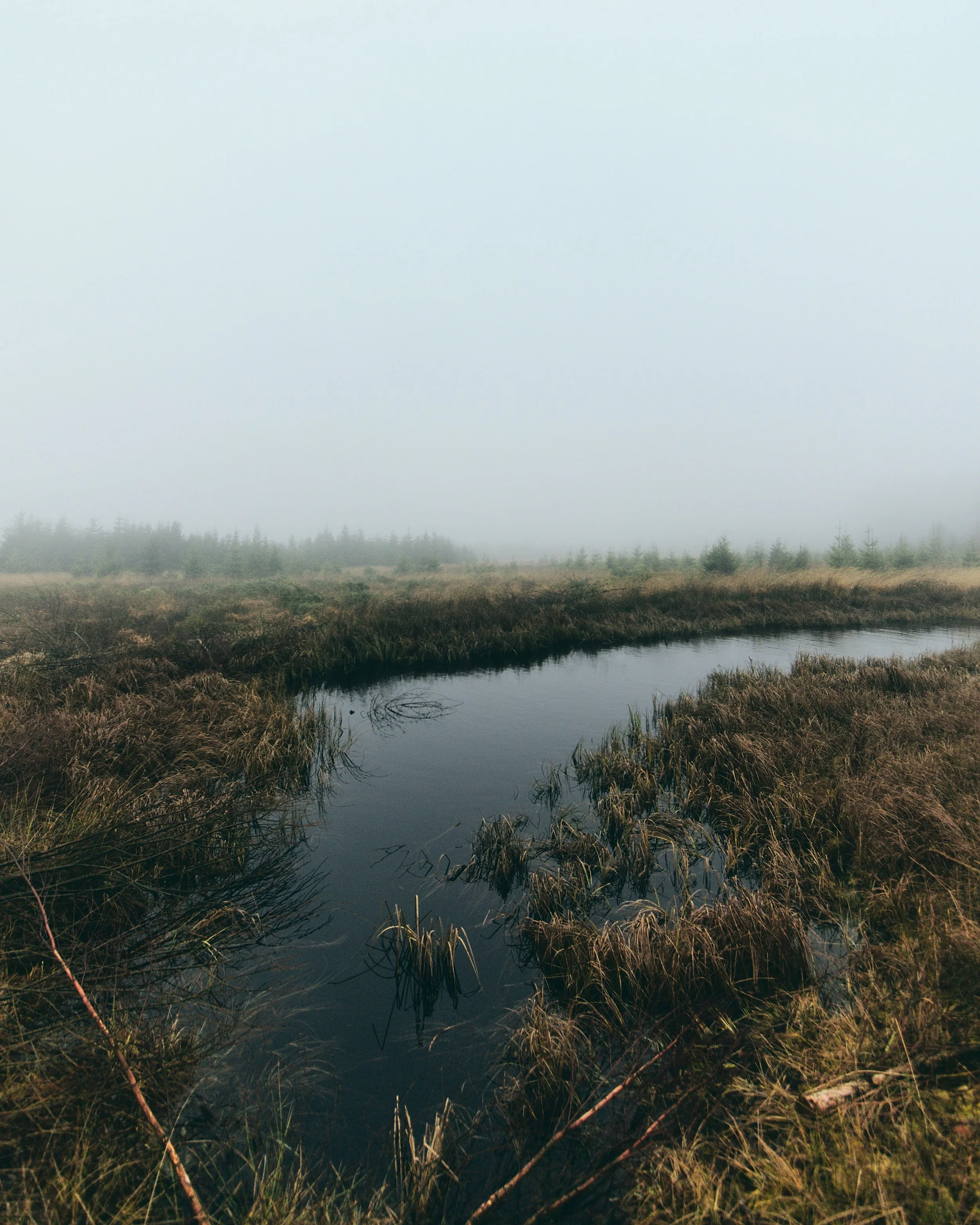
How to tell whether a site has biodiversity issues
A site has biodiversity issues if it hosts, or could host, protected or threatened species, rare natural habitats, a wetland, or if it acts as an ecological corridor. To find out, work in three stages: (1) check public maps and databases, (2) look on site for habitats favourable to wildlife and plants, (3) have an ecologist confirm.
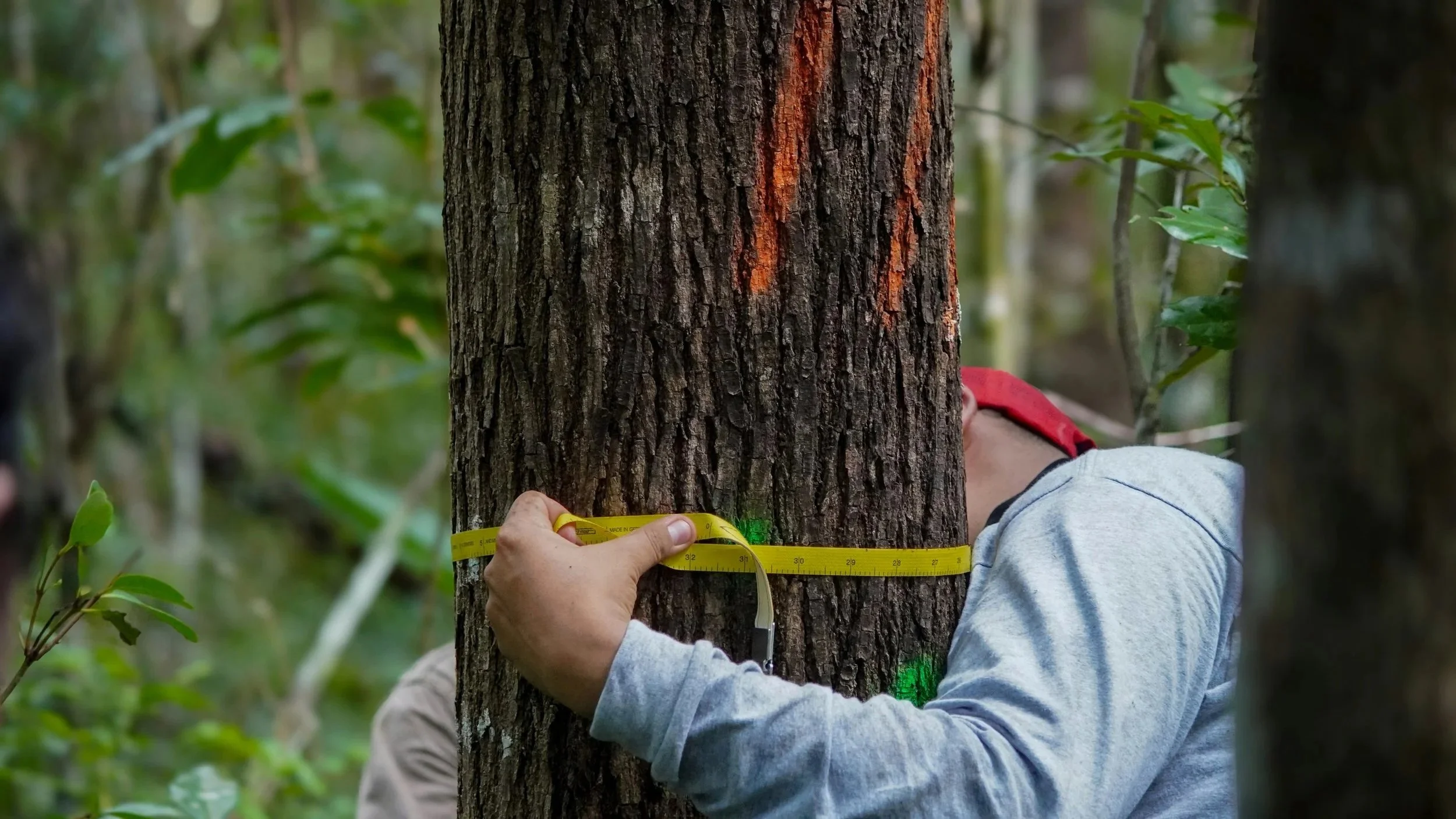
How to measure biodiversity on a site: choosing indicators to match your objective
To measure a site’s biodiversity, first set the objective: managing a space, tracking the effect of a project or restoration, or sustainability reporting. Then choose three to six indicators combining the state of biodiversity (species, habitats), the pressures on it and the actions taken.

How to build a corporate biodiversity action plan
A biodiversity action plan is built in six steps: (1) review sites and activities, (2) identify the company’s impacts and dependencies on nature, (3) prioritise the issues, (4) set measurable targets, (5) choose and budget actions, (6) organise monitoring and governance.
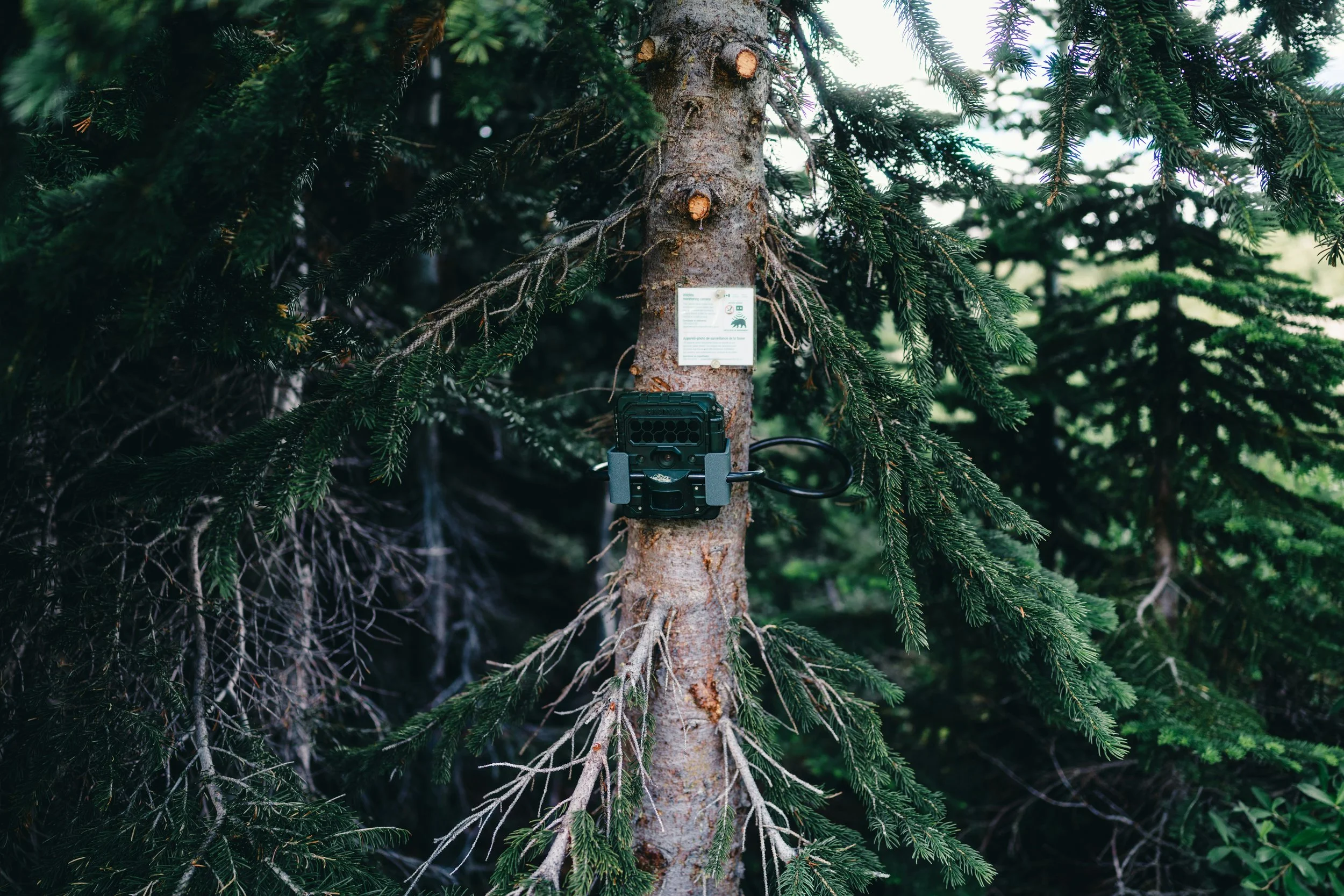
How to use AI to analyse a site’s biodiversity
AI is now useful for four tasks: recognising species in sounds (birds, bats, insects) and in images (photos, camera traps), mapping habitats from satellite or aerial imagery, and summarising existing data.